Bedroom. Lonely. Eyeball. Generous. Gloomy. Hint. Negotiate. Lackluster. Manager. These words appear in Shakespeare's plays, in many cases for the first time in written English. They were new enough when he wrote them that he could not assume his audience would understand them. Now they are so ordinary that it is almost impossible to imagine the language without them.
The figure of 1,700 words invented or first recorded by Shakespeare is widely cited, though it requires a caveat that makes it simultaneously more and less impressive.
The Caveat: First Recorded, Not First Spoken
Shakespeare almost certainly did not invent most of these words from scratch. Language does not work that way. Words tend to circulate in spoken form, in regional dialects, in the language of particular trades or communities, before they appear in writing. What Shakespeare's plays represent is often the first surviving written record of a word that was probably already in common use.
This is partly a product of the period. The late sixteenth and early seventeenth centuries saw an explosion in English printing and a rapid expansion of the written language. Shakespeare was writing at exactly the moment when the written record became rich enough to capture the spoken language in something like its real state. He appears prolific partly because he was prolific, and partly because the written record before him was sparse enough that his work provides the first dateable instance of many ordinary words.
Some of the Best Examples
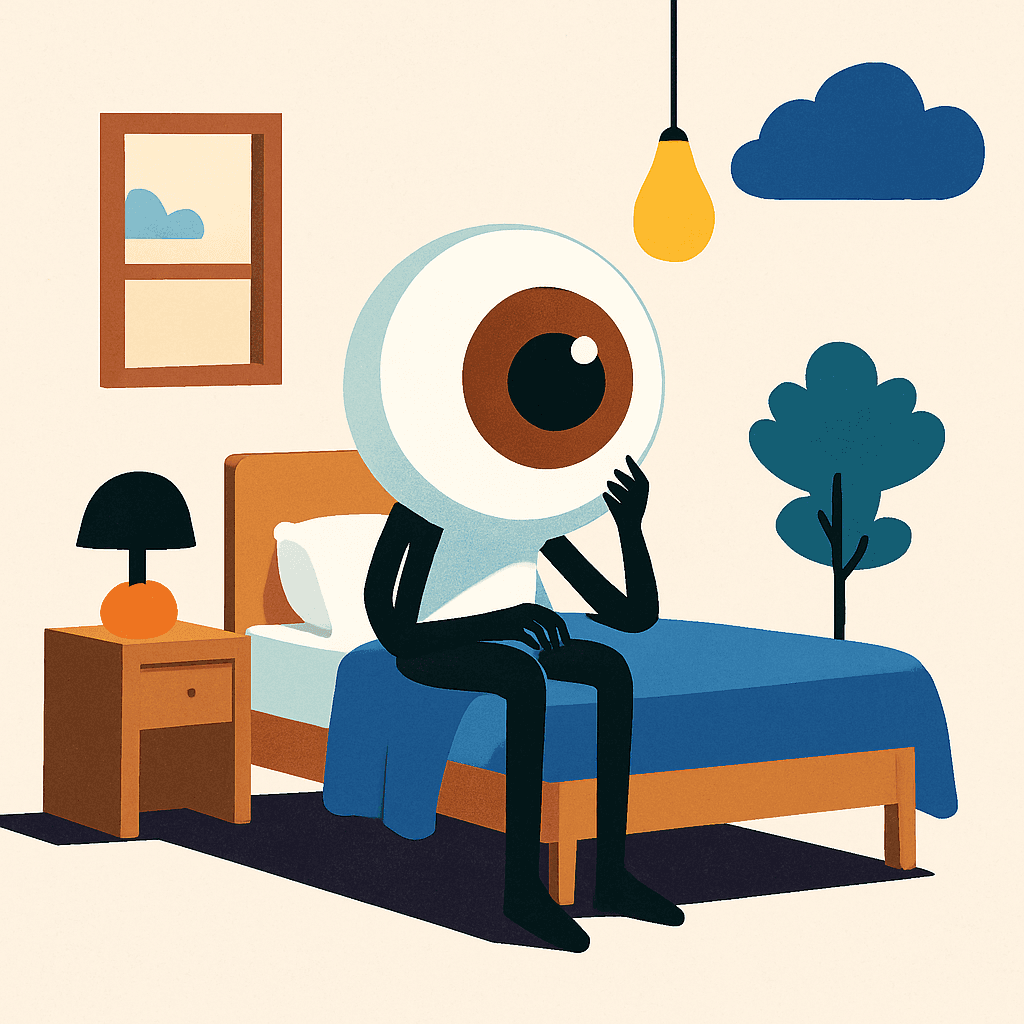
Bedroom first appears in A Midsummer Night's Dream. Before Shakespeare, you had a "bedchamber" or simply a room where you slept. Lonely appears in Coriolanus, in a speech about a man who chooses isolation: "I go alone, like to a lonely dragon." Eyeball, now one of the most common compound words in the language, first appears in The Tempest. Generous, in the sense of being freely giving, appears in Othello.
Lackluster is from As You Like It: "I did dislike the cut of a certain courtier's beard... he sent me word, if I said his beard was not cut well, he was in the mind it was: this is called the retort courteous. If I sent him word again it was not well cut, he would send me word he cut it to please himself: this is called the quip modest... All these you may avoid but the lie direct; and you may avoid that too, with an if. I knew when seven justices could not take up a quarrel, but when the parties were met themselves, one of them thought but of an if, as if you said so, then I said so: and they shook hands and swore brothers. Your if is the only peace-maker; much virtue in if." He uses the word "lackluster" in the same play in a simpler context: "a lackluster eye."
The Deeper Point
The most interesting thing about Shakespeare's vocabulary is not the count but the nature of the words. Many of them describe interior states. Lonely. Generous. Gloomy. Hint (as in a suggestion, rather than a physical scent or trace). These were concepts that had presumably existed in human experience for as long as humans had experienced them, but which had not yet found stable written forms in English.
You could argue that Shakespeare did not just record the language. He shaped the categories available for describing human experience. When a word enters common usage for a feeling, the feeling itself becomes slightly easier to identify and communicate. The invention of "lonely" as a stable written word gave English speakers a more precise and portable way to describe a very specific kind of pain.
That is more than a vocabulary contribution. That is, in a small way, an extension of what the language can do.
Disagree? Say so.
Genuine pushback is welcome. Personal abuse is not.
Related questions