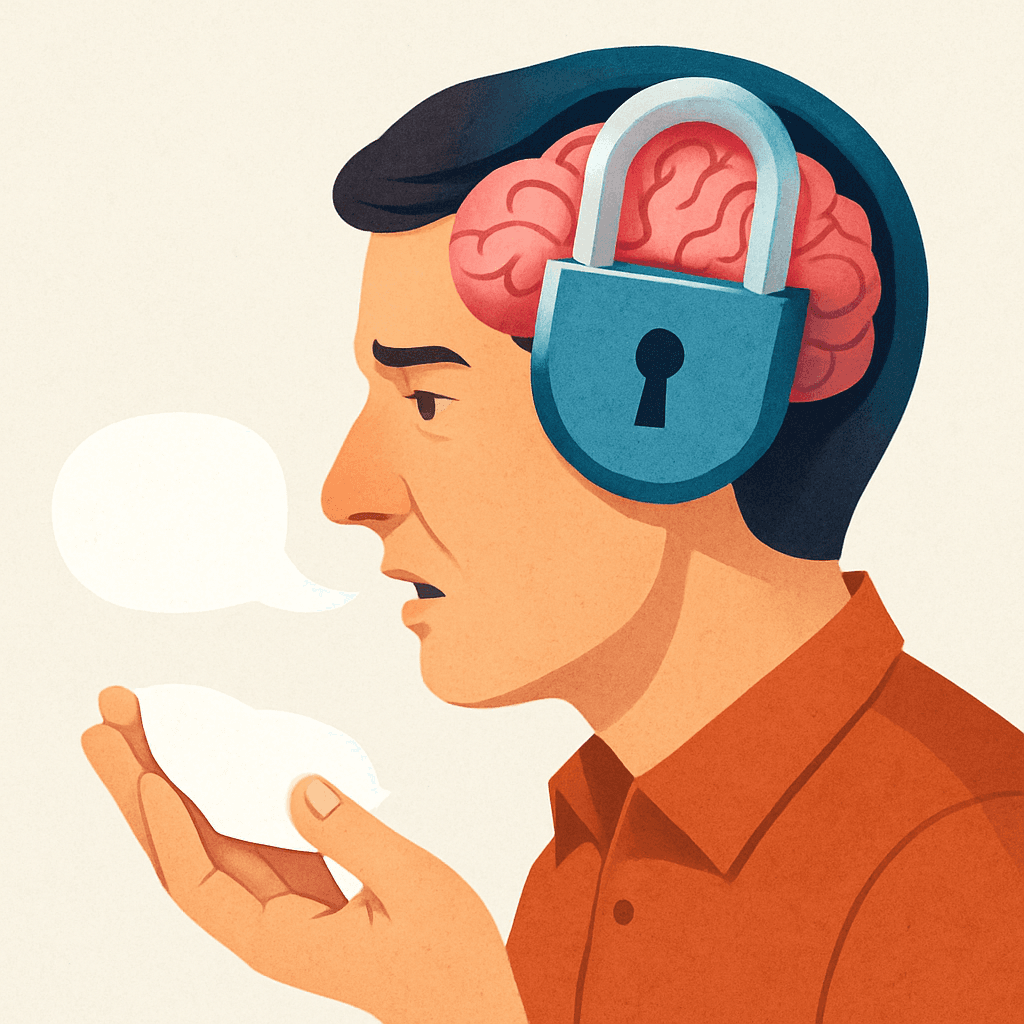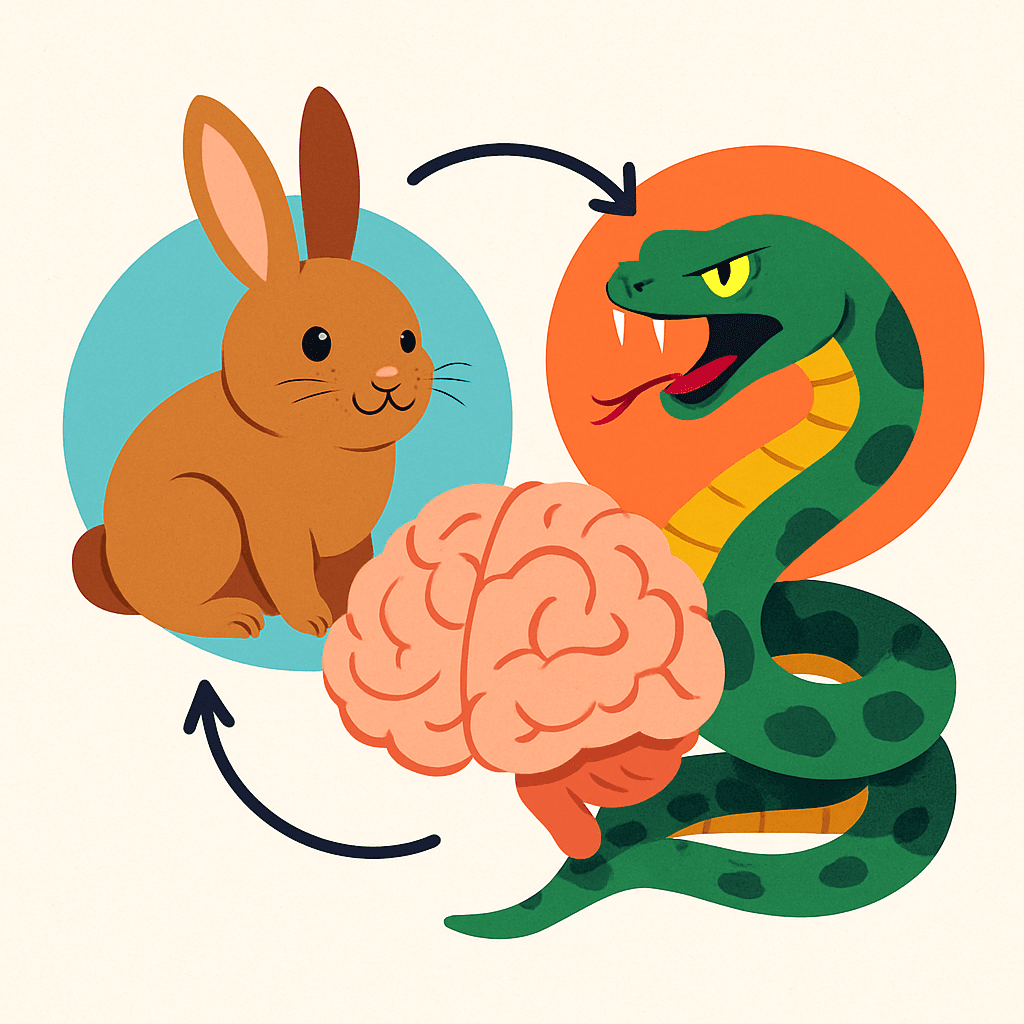
A spider the size of a fingernail sits on the wall. Many people experience a jolt of alarm disproportionate to any realistic threat a small spider could pose. A puppy with the same size does the opposite. The difference in response is immediate and feels visceral rather than considered, because it mostly is. The reactions to "cute" and "frightening" animals are driven by systems that operate below conscious evaluation, responding to specific visual features rather than assessed danger.
The Baby Schema
In 1943, the ethologist Konrad Lorenz described a set of features he called Kindchenschema, or "baby schema": large eyes relative to the face, a round forehead, a small nose, chubby cheeks, short limbs, and soft, rounded body shapes. These features, he argued, are the visual signature of infancy across mammals, and they trigger nurturing behaviour. The mechanism evolved because parents who found infant features appealing were more likely to care for their offspring, and therefore more likely to pass on their genes.
The system does not distinguish between human infants and other animals that share the same visual features. Puppies, kittens, baby pandas, baby hedgehogs: all share the large-eyes-relative-to-head ratio and the rounded, soft body shape that activates the baby schema response. We find them cute not because we have decided to, but because a visual pattern-matching system in the brain has identified the features and triggered the associated response. The cuteness is not a judgement. It is a reflex.
Why Spiders and Snakes
Fear of spiders and snakes is present in humans across cultures, appears in very young children before significant learning has occurred, and is acquired faster through conditioning than fear of non-threatening stimuli. This suggests an innate sensitivity: the brain is primed to notice and remember these animals.
The evolutionary explanation is straightforward. Venomous spiders and snakes were genuine threats in the environments where human ancestors evolved. A predisposition to notice and be alert to them conferred survival advantage. The fear is not calibrated to modern reality (most spider species encountered in European homes are harmless) because evolution is slow and the modern environment is very new. The system is running on ancient data.
Cultural Variation
The cute and frightening responses are strong but not absolute. Cultural exposure matters significantly. Spiders are kept as pets, admired, and handled confidently by people who grew up in environments where they were treated neutrally or positively. Snakes are sacred in several religious and cultural traditions. The innate sensitivity creates a predisposition, but experience and culture determine whether that predisposition develops into a strong response or remains dormant.
The same applies to cute responses. Rats, which share some baby-schema features, are kept affectionately as pets by millions of people and are associated with disease and disgust by millions of others. The visual trigger interacts with learned associations in ways that produce very different outcomes.
Your responses to other animals are partly your own. They are also partly what you inherited from ancestors who were alive when the threats were real and the nurturing instinct was the difference between a lineage that survived and one that did not.
Disagree? Say so.
Genuine pushback is welcome. Personal abuse is not.
Related questions