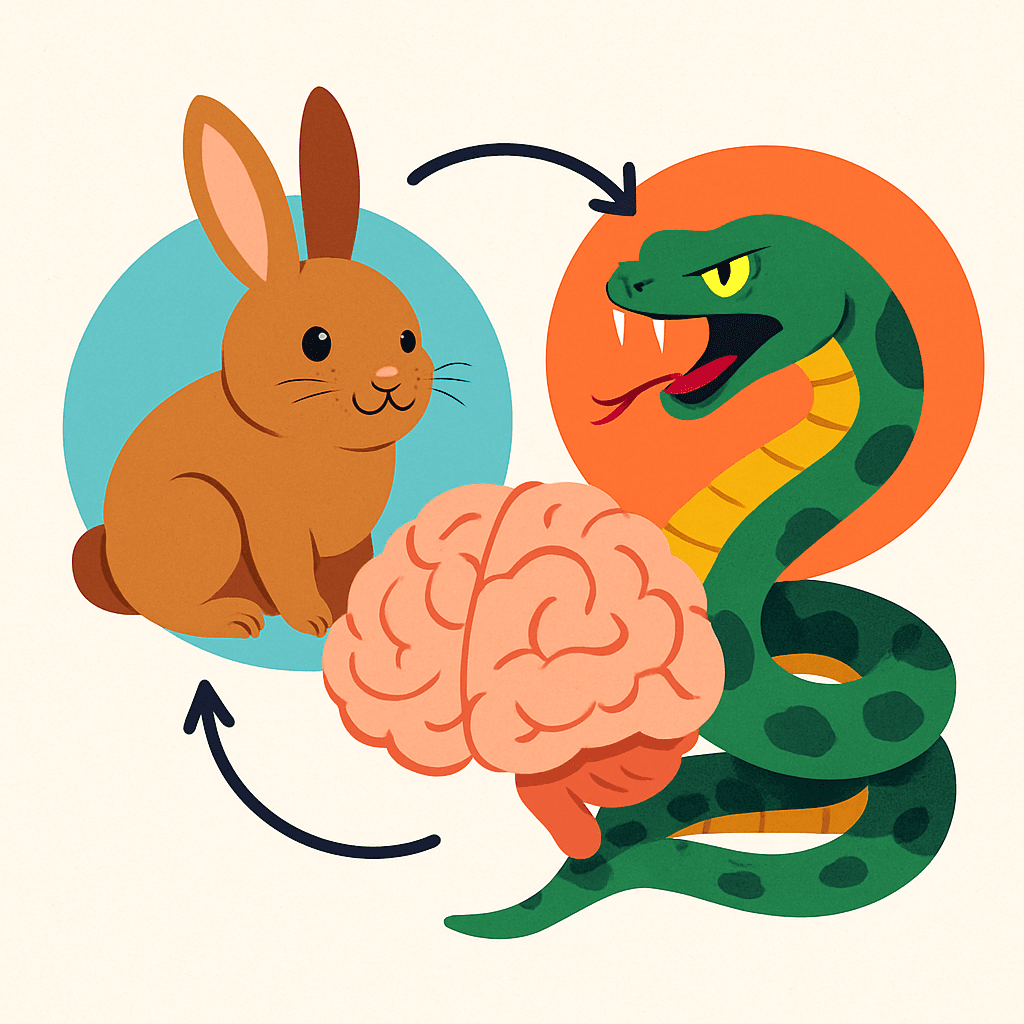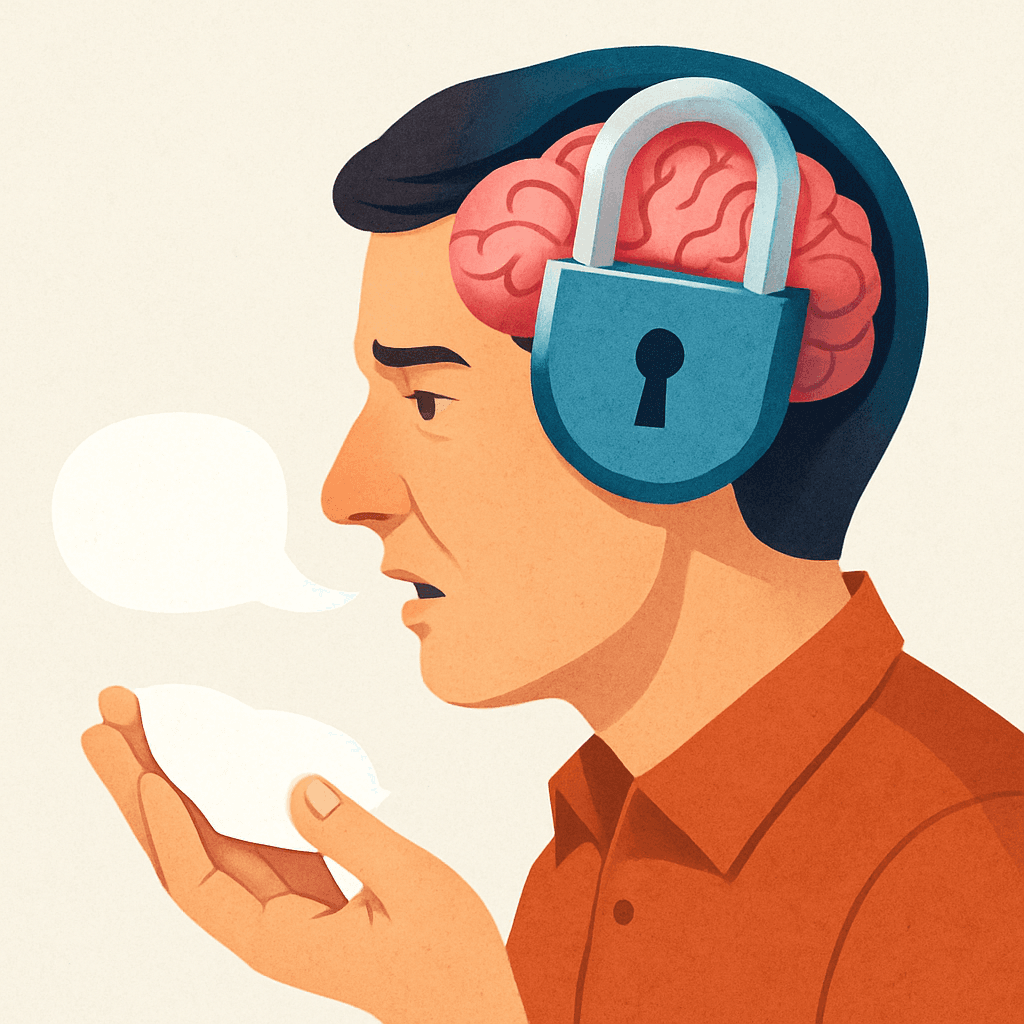
You know you were wrong. You knew it within an hour of the argument. You have been aware, with increasing clarity, that an apology is both deserved and necessary. And yet something prevents it, a tightness, a resistance, an internal negotiation that keeps finding reasons why now is not quite the right moment, or the apology needs to be qualified, or perhaps the other person contributed enough that the scales are basically balanced. The apology does not come, or comes so hedged as to be almost worthless. You wonder why this is so difficult when it should be so simple.
The Threat to Self-Image
An apology requires you to state, in explicit terms, that you did something wrong. This is not just a social transaction. It is a claim about who you are. The brain works continuously to maintain a stable, positive self-image, and a genuine apology is a direct challenge to that image. It requires you to hold simultaneously two ideas that are in tension: I am a good person, and I did this bad thing.
Research on cognitive dissonance shows that people will perform considerable mental work to avoid this kind of contradiction. They will reframe what happened, emphasise extenuating circumstances, recall similar wrongs committed by the other party, and construct narratives in which their own behaviour is understandable and therefore less reprehensible. All of this mental work delays or dilutes the apology.
Apology as Submission
There is also a power dimension. In many contexts, an apology carries implications about relative status: the person apologising is acknowledging a wrong, which can feel like ceding ground. This dynamic is more pronounced in some cultures than others, and more pronounced in some relationship types, but it operates broadly. The feeling that apologising means losing something is not entirely irrational. In antagonistic relationships, it can be used as evidence of weakness. The brain's reluctance to apologise is in part a social risk-assessment.
This creates a painful paradox. The people most likely to need an apology, those in ongoing relationships where trust and goodwill matter, are also in exactly the context where apology is least risky and most valuable. But the emotional system does not calculate this. It flags the risk of submission without weighing the cost of continued damage to the relationship.
What Makes It Easier
The research on effective apologies is consistent on a few points. Apologies that acknowledge the specific harm caused, rather than offering a general sorry for "how you feel," are received much better. Apologies that include understanding of why the action was harmful, rather than just acknowledging that it was, are more likely to repair trust. And timing matters: an apology offered quickly, before the aggrieved party has had time to harden their position, is considerably more effective than one offered after a long standoff.
None of this makes the internal resistance disappear. But it does reframe the choice slightly. The question is not "will I lose something by apologising?" It is "what am I protecting by not apologising, and is it worth what the protection is costing?" In most cases, the answer to that second question is obvious. The difficulty is that the obvious answer and the instinctive response are pointing in opposite directions, and the instinct has a head start.
Disagree? Say so.
Genuine pushback is welcome. Personal abuse is not.
Related questions