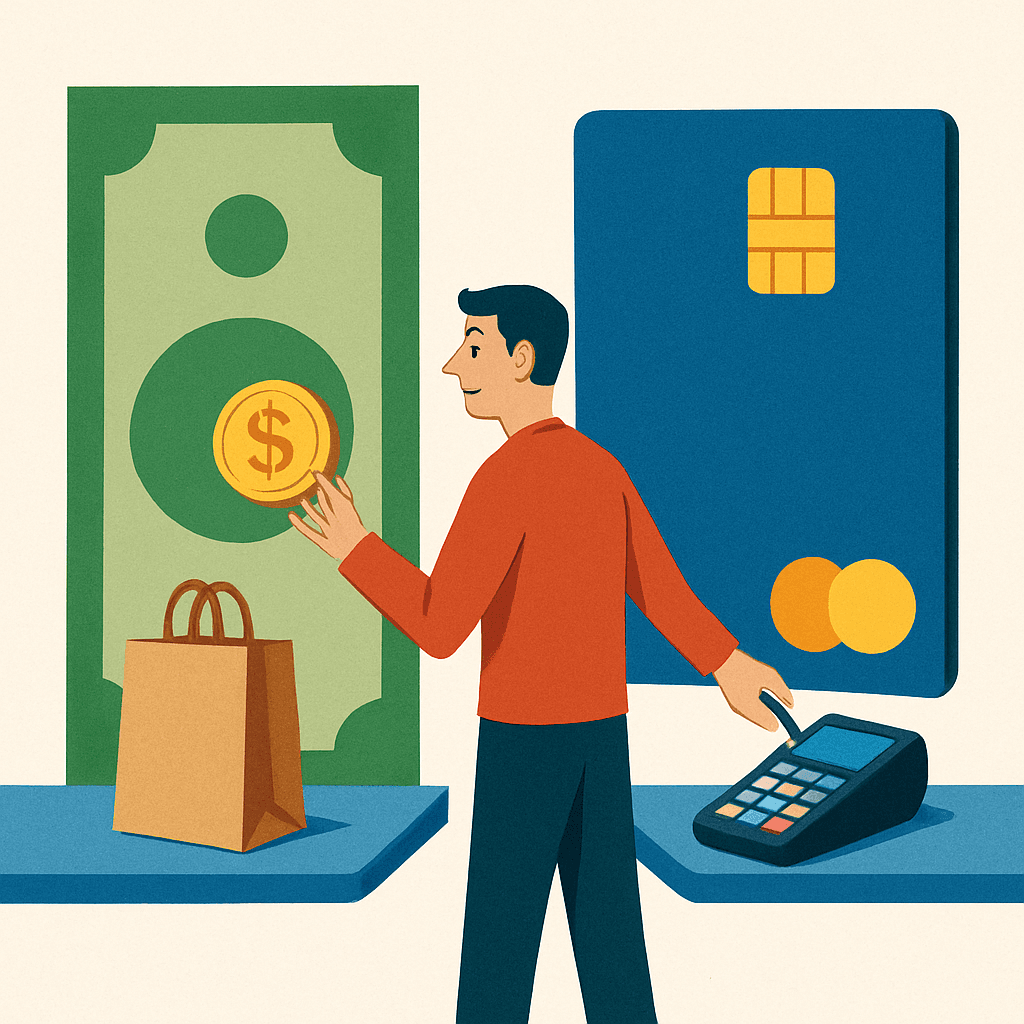
Hand over a fifty-pound note and you feel it. Not metaphorically, but as a physical event: the note leaves your hand, you are aware of its absence, and there is a faint but real reluctance in the moment of handing it over. Tap your card and nothing happens in quite the same way. The transaction is complete before anything that feels like loss has had time to register. Weeks later, the credit card statement arrives with a number that is somehow still surprising, even though you authorised every item on it.
This difference is not imaginary and it is not weakness. It is a well-documented effect of how the brain processes different forms of payment, and it has meaningful consequences for financial behaviour.
The Pain of Paying
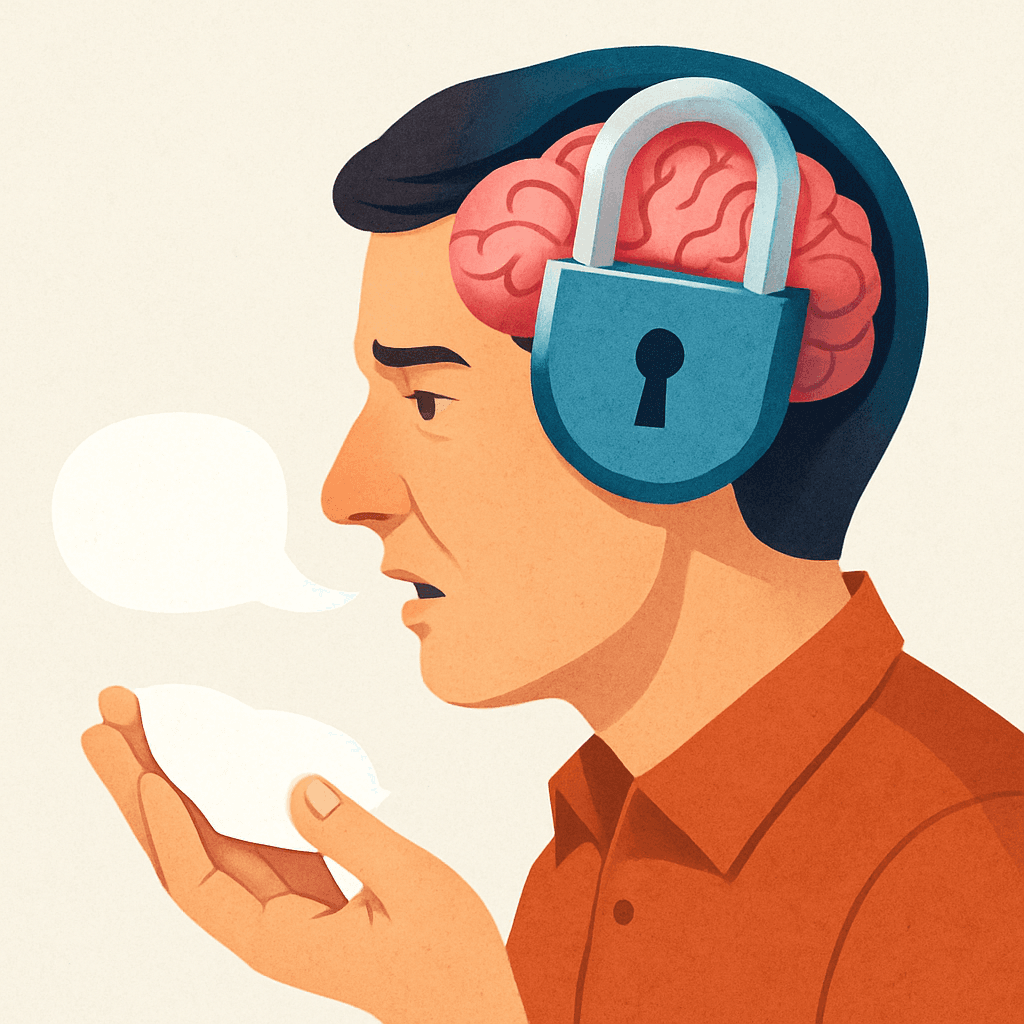
Drazen Prelec and Duncan Simester at MIT coined the phrase "pain of paying" to describe the mild but real aversion that accompanies spending money. Brain imaging research has shown that cash payment activates the insula, a region associated with pain and disgust, in a way that card payment does not, or does so to a much lesser degree. Paying cash is not painful in any serious sense, but it triggers the same neural circuitry as other mildly aversive experiences.
This pain serves a useful function: it creates a moment of hesitation. That hesitation is a prompt to evaluate whether the purchase is worth it. Remove the hesitation and you remove the evaluation. Card payment, and contactless payment even more so, compresses or eliminates the pause that cash creates. You spend more because the friction that prompts reconsideration has been reduced almost to zero.
What Tipping Studies Show
Some of the clearest evidence for the pain-of-paying effect comes from tipping behaviour. Studies consistently find that people tip more on card payments than on cash. The additional amount is not large, but it is consistent and replicable. The explanation is that tipping with cash feels more concrete: you are handing over physical objects you can see and count. Tipping on a card involves adding a number to a form, which does not carry the same weight.
The same effect operates at scale. Casinos have understood this for decades, which is why they convert cash to chips as quickly as possible. Chips are easier to bet with because they are one step removed from the money they represent. The abstract representation triggers less of the pain response than the concrete one.
The Contactless Escalation
The progression from cash to chip-and-pin to contactless to phone payment is a progression of decreasing payment friction. Each stage has reduced the psychological and physical effort of paying and, predictably, has been associated with increased spending. This is not a conspiracy: payment processors and retailers both benefit from reduced friction, and customers often prefer the convenience. But convenience is not free. It comes at the cost of the hesitation that serves as a natural spending check.
The practical implication is simple if not easy: if you want to spend less on something, use cash. The pain is the point.
Disagree? Say so.
Genuine pushback is welcome. Personal abuse is not.
Related questions