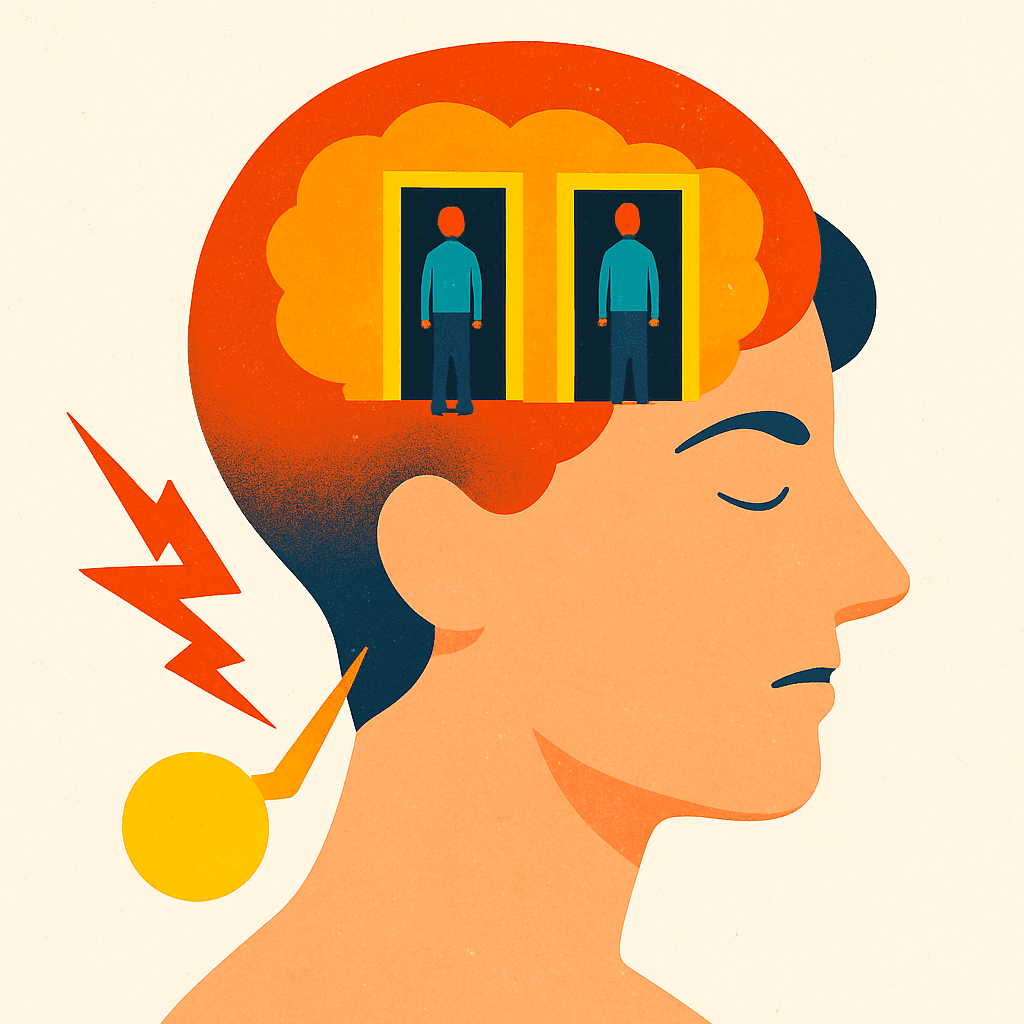
You walk into a room you have never been in before and feel, with unsettling certainty, that you have been here before. The arrangement of chairs, the quality of the light, the conversation that is happening, all of it feels exactly as though you have already lived this moment. Then it passes. The sensation was real. The memory behind it almost certainly was not.
Déjà vu is reported by around 60 to 70 percent of people. It is most common in people aged 15 to 25, decreases with age, and is more likely when you are tired, stressed, or travelling. It typically lasts between ten and thirty seconds. And despite feeling like a profound and slightly spooky experience, it is now reasonably well understood neurologically.
Two Memory Systems That Usually Agree
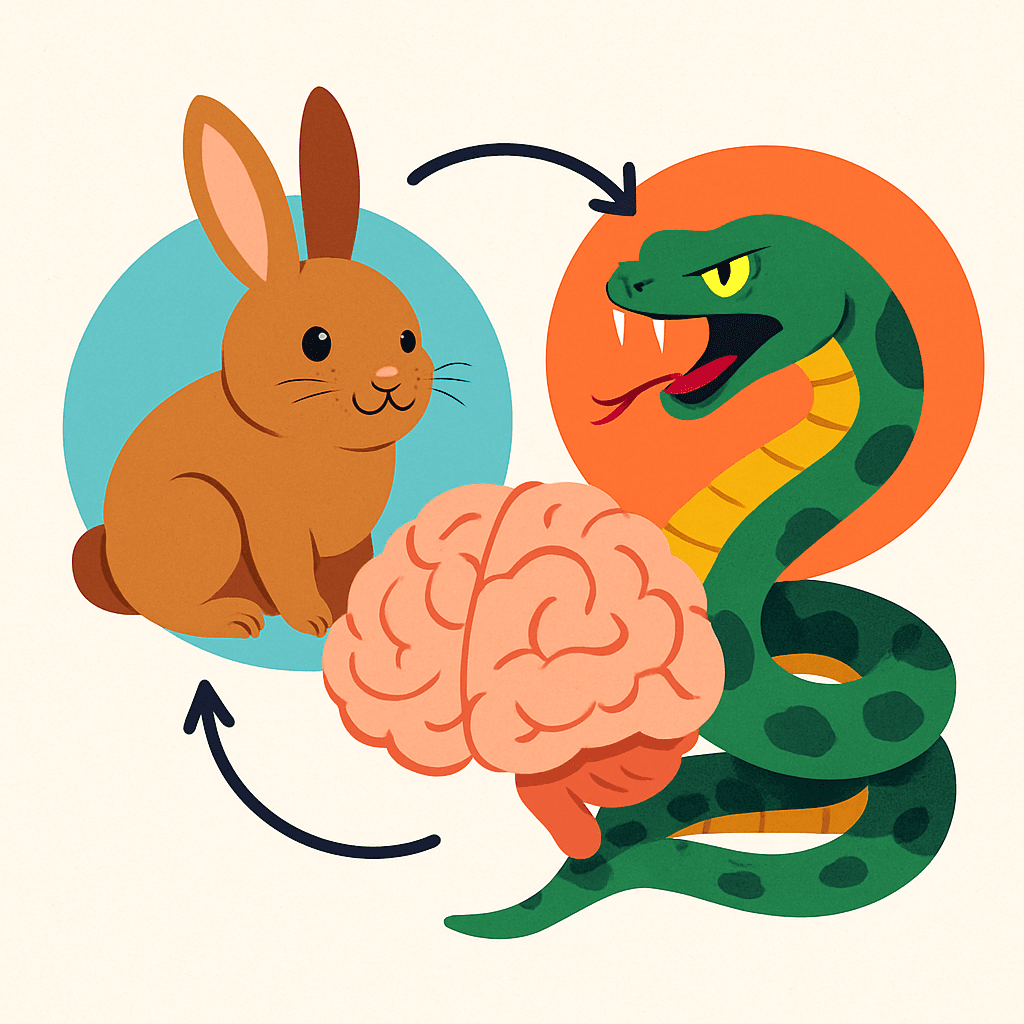
To understand déjà vu, you need to understand that memory is not a single system. Two of the most relevant for this discussion are familiarity and recollection. Familiarity is the rapid, automatic sense that something has been encountered before. Recollection is the slower, more detailed retrieval of specific information about when and where you encountered it.
These two systems normally work in concert. When you recognise a face, familiarity fires first (you know this person) and recollection follows (it is your dentist, you saw her six months ago). In most everyday situations, if familiarity fires, recollection confirms it with supporting detail.
What Triggers the Misfiring
Researchers using virtual reality have been able to deliberately induce déjà vu by designing environments that share layouts with familiar places but have different surface features. A room that shares the spatial geometry of someone's bathroom, but looks nothing like a bathroom, reliably produces the feeling. This suggests that the familiarity system is responding to structural patterns and spatial relationships, not just surface appearance.
The hippocampus and surrounding areas in the temporal lobe are central to this process. People with temporal lobe epilepsy often experience intense déjà vu immediately before a seizure, because the abnormal electrical activity disrupts the normal operation of these memory evaluation systems. This is the same region involved in the kind of déjà vu that happens to healthy people, just in a more extreme and sustained form.
Not a Memory of a Past Life
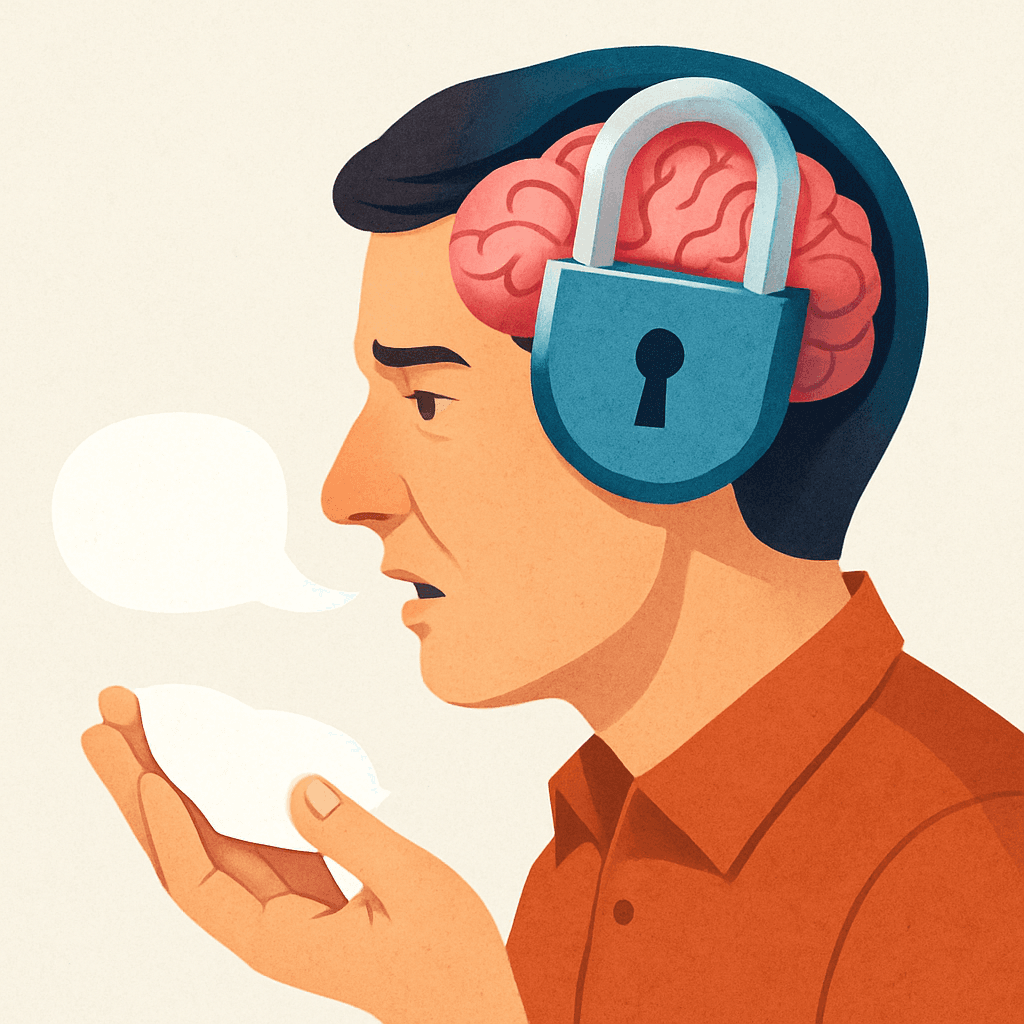
The feeling of déjà vu is sometimes interpreted as evidence of past lives, parallel universes, or psychic experiences, because the sensation of genuine familiarity is so convincing. But the neurological evidence points clearly in a different direction. It is a misfiring of the familiarity evaluation system, made more noticeable by the fact that recollection, functioning correctly, immediately flags the contradiction.
The reason it is most common in young adults, rather than children or older people, is probably related to the maturation and then gradual decline of the hippocampal memory systems involved. The middle period, when these systems are fully developed but sometimes running at high speed, creates more opportunities for the occasional misfiring that produces the effect.
Déjà vu is your brain catching its own mistake in real time. The unsettling feeling is not a hint from somewhere beyond. It is the healthy recollection system doing its job: noticing that the familiarity report is wrong and flagging the discrepancy. Most of the time, it does this quickly and quietly. Déjà vu is just the moment when the process becomes conscious.
Disagree? Say so.
Genuine pushback is welcome. Personal abuse is not.
Related questions