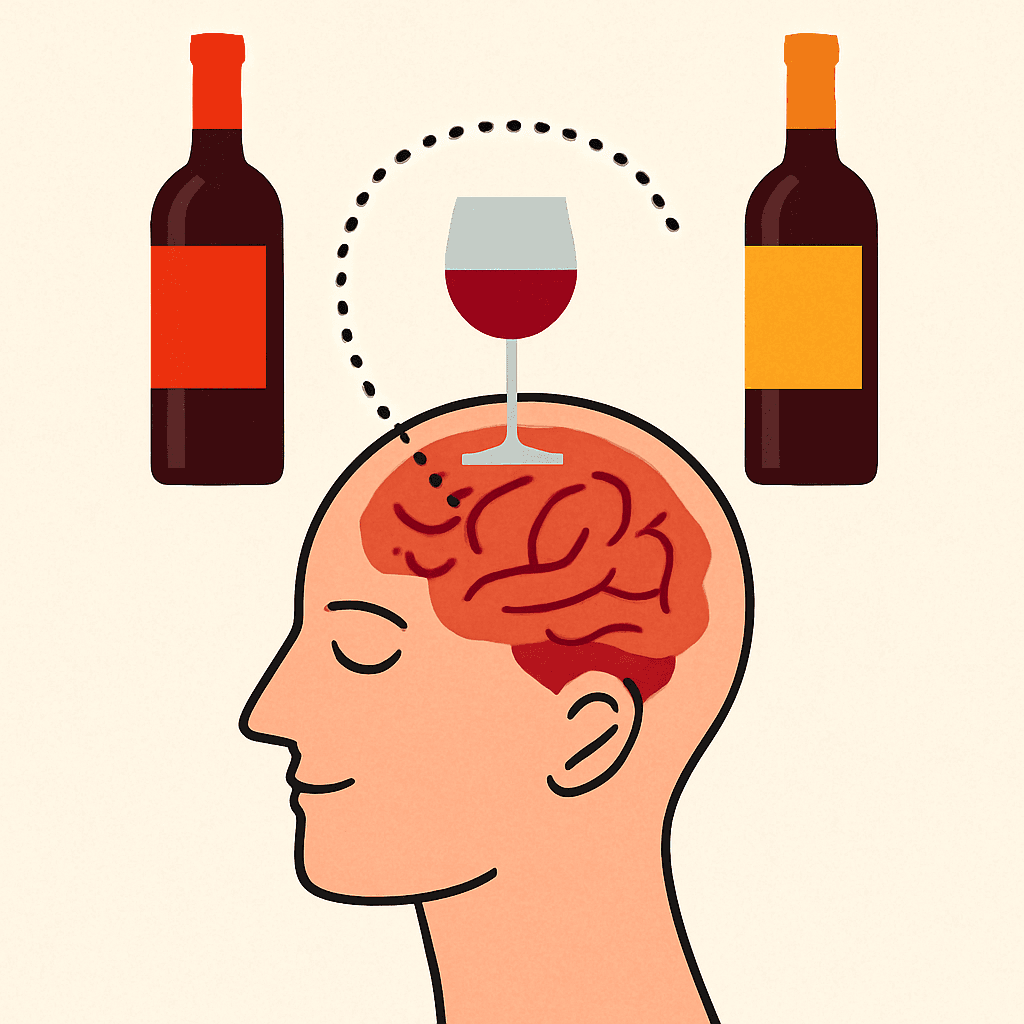
In 2008, researchers at the California Institute of Technology told people they were drinking five different wines priced at $5, $10, $35, $45, and $90. They were actually drinking three wines: the $5 and $45 bottles contained the same wine, as did the $10 and $90 bottles. While the participants drank, their brains were being scanned in an fMRI machine. The result was unambiguous: the higher the stated price, the more activity in the medial orbitofrontal cortex, the brain region most associated with experienced pleasantness. People did not just say the expensive wine tasted better. Their brains genuinely processed it as more pleasurable.
The wine had not changed. The experience of drinking it had.
What Price Is Actually Doing
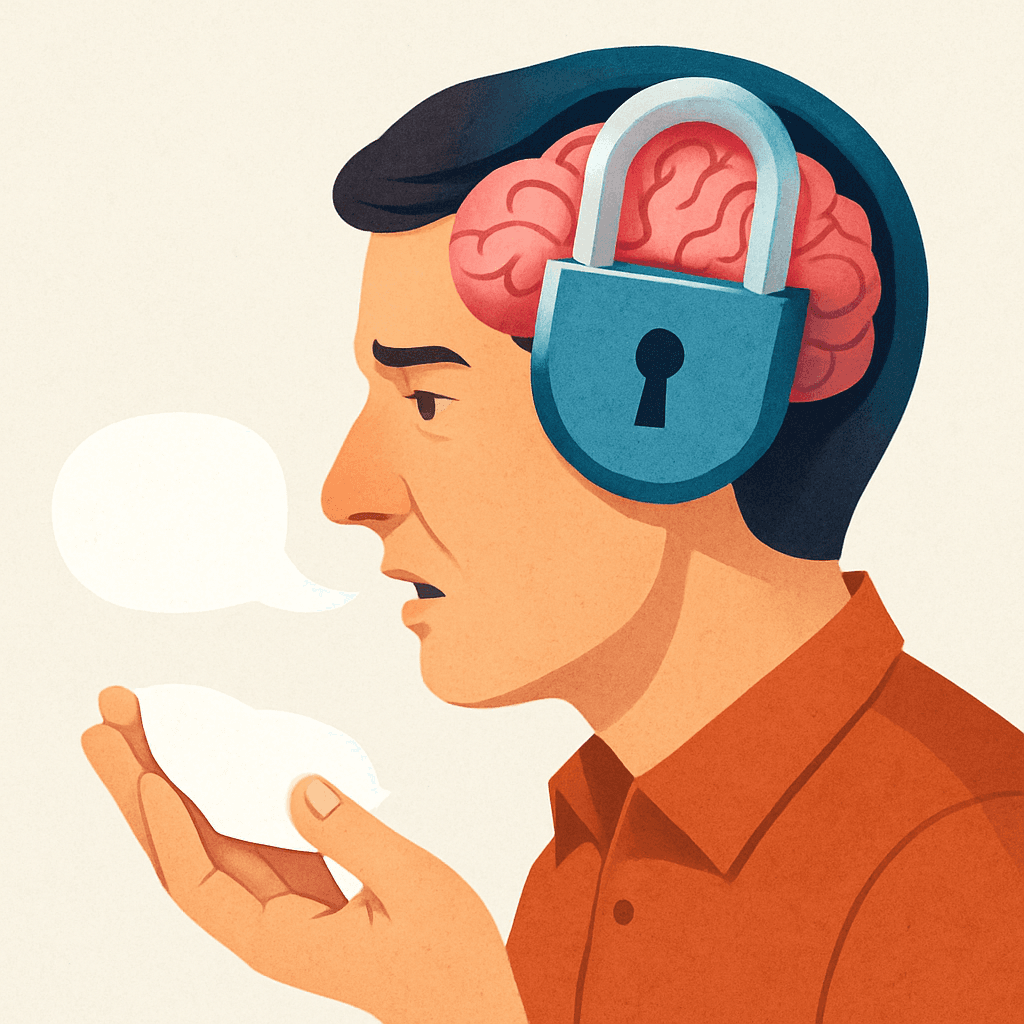
Price functions as a quality signal. In conditions where you lack direct information about how good something will be, you use indirect signals to set expectations. Price is one of the most powerful of these signals. A higher price triggers the brain to anticipate a better experience, and this anticipation is not just a cognitive gloss on top of the sensory experience. It shapes the sensory experience itself.
This is predictive processing. The brain does not passively receive sensory input and then form judgements about it. It generates predictions about what it expects to experience and uses incoming sensory information to update those predictions. In many cases, particularly for complex experiences like taste and smell where the sensory signal is ambiguous, the prediction does much of the work. You are tasting partly with your senses and partly with your expectations.
The Blind Tasting Problem
Blind wine tastings, where experts evaluate wines without knowing their identity or price, consistently produce results that are uncomfortable for the wine industry. In several large-scale studies, wine experts have failed to reliably rank wines by price, have disagreed substantially with each other, and have in some cases rated cheap wines ahead of expensive ones. The famous 1976 Paris tasting, where Californian wines beat French Bordeaux and Burgundy in a blind tasting, caused such consternation that some of the French judges later disputed the results.
None of this means all wine tastes the same. There are genuine differences in complexity, balance, and longevity. But the premium attached to the most expensive bottles substantially exceeds what can be detected in blind conditions by most drinkers, and even by many experts.
The Honest Conclusion
If you know the price of what you are drinking, expensive wine genuinely does taste better, because knowing it is expensive is part of the experience and your brain processes that information as flavour. If you do not know the price, the advantage mostly disappears.
This does not mean you are being fooled. It means that pleasure is not a simple read-out of chemical compounds hitting your palate. It is a constructed experience, and the information you bring to the glass is part of the construction. Knowing this lets you make more honest choices. A wine you enjoy at its actual price, without the expectation premium, is probably worth more than a more expensive bottle you enjoy partly because of what you paid for it.
The best wine is whichever one tastes best to you when you do not know what it costs.
Disagree? Say so.
Genuine pushback is welcome. Personal abuse is not.
Related questions