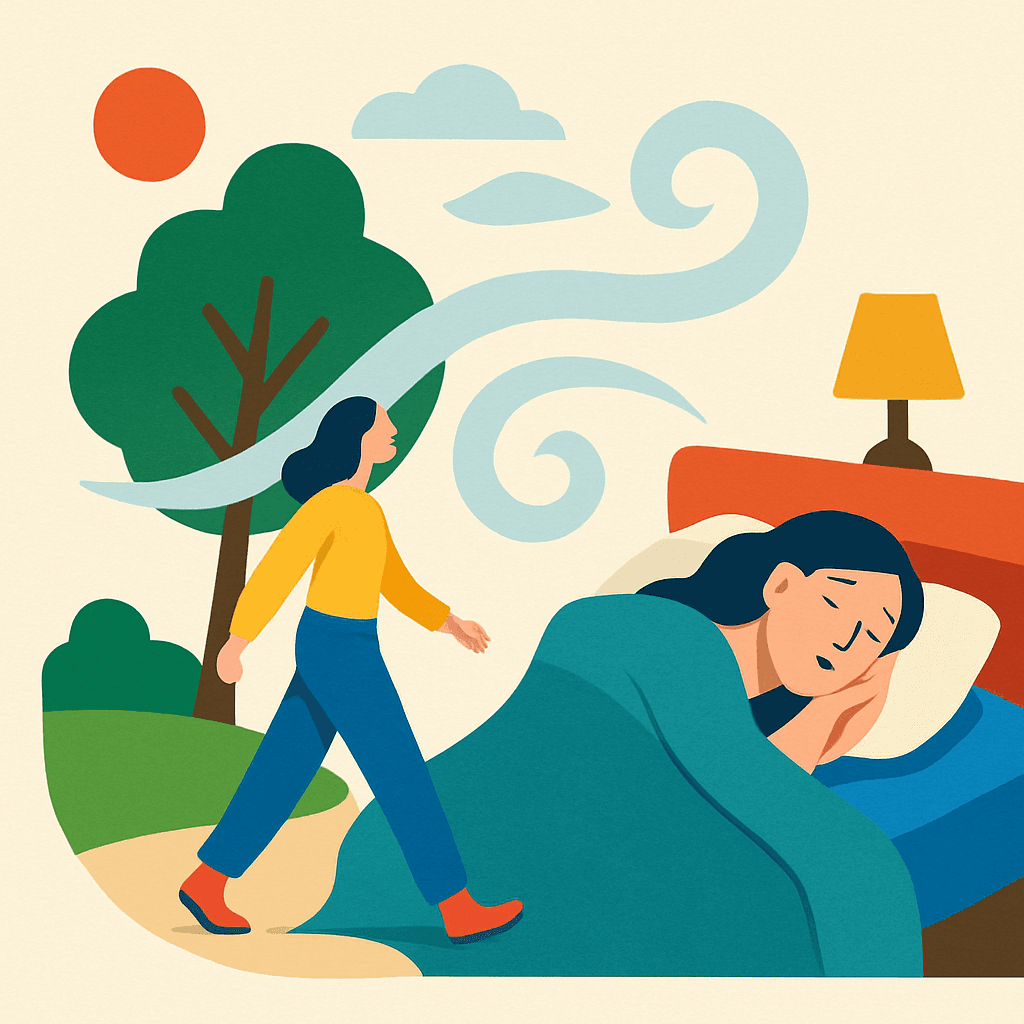
Come back from a walk on the beach, an afternoon in the garden, or a day in the hills, and there is a reliable heaviness. Not the ache of physical exertion exactly, but a deep, clean tiredness. A good tiredness. You sleep better that night than you have in weeks. Fresh air, the explanation people reach for, is correct in a general sense but is not really an explanation. What is actually happening involves the nervous system, neurochemistry, and the specific conditions of the outdoor environment compared to the ones most people spend most of their time in.
The Baseline State You Live In
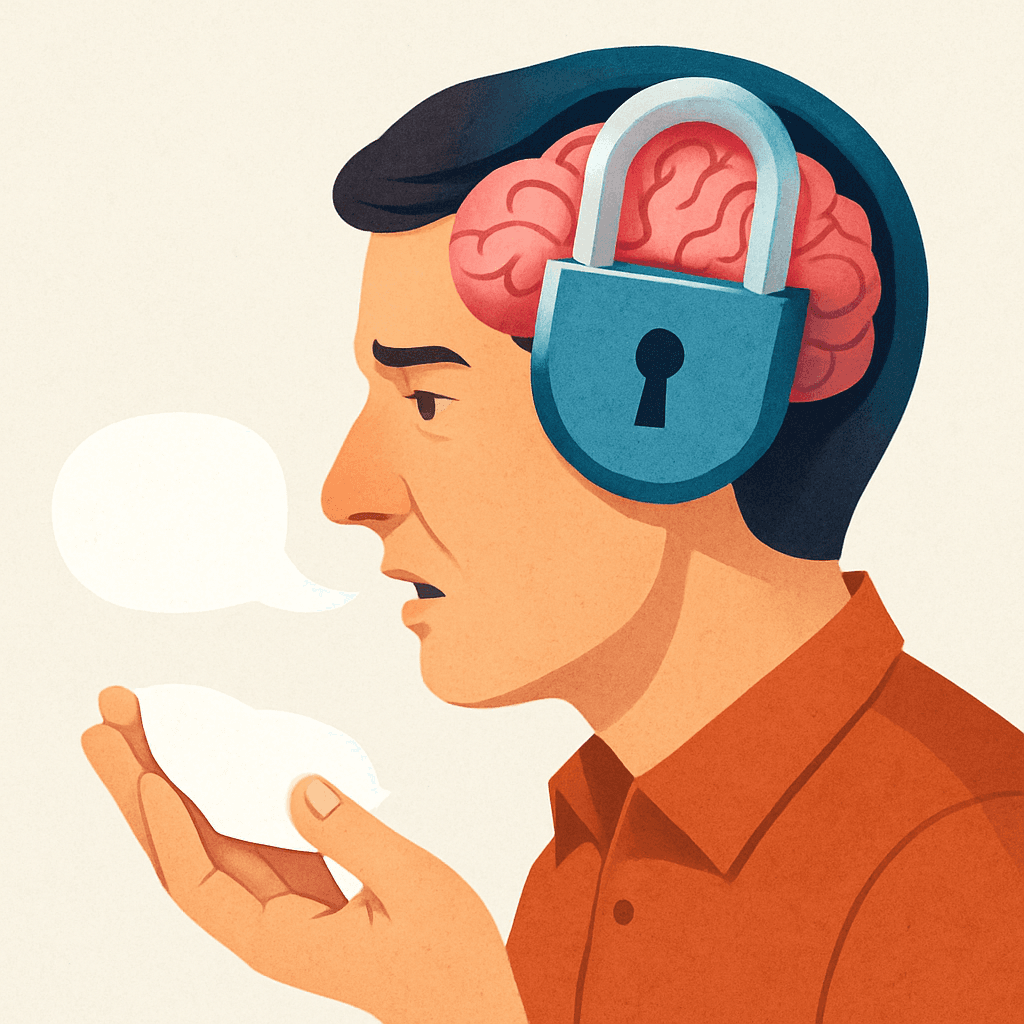
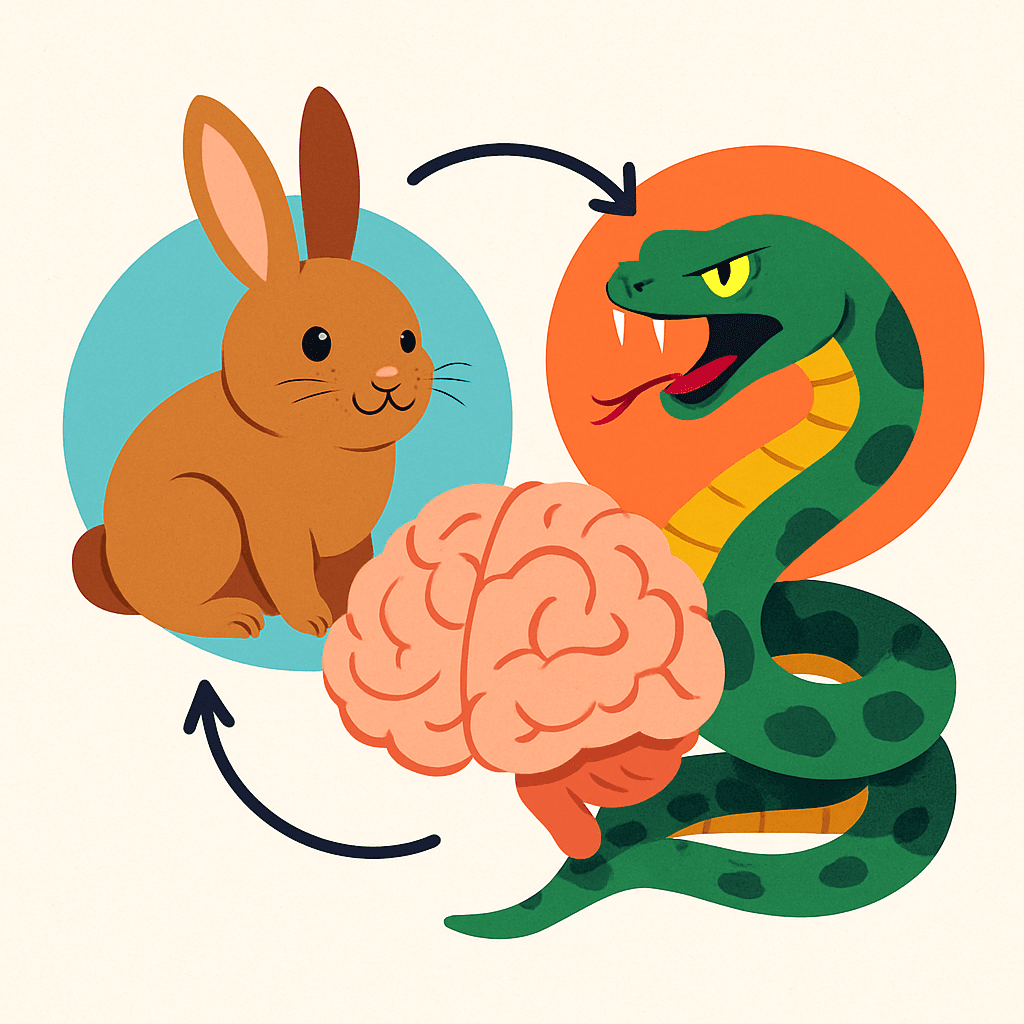
Most modern indoor environments maintain the nervous system in a mild state of alert. Artificial lighting, background noise, digital notifications, temperature-controlled air, and the general busyness of tasks and screens all keep the sympathetic nervous system (the fight-or-flight branch) slightly activated. You adapt to this so completely that it stops feeling like activation. It just feels normal.
Stepping outside, particularly into a natural environment, shifts the nervous system towards the parasympathetic branch (rest-and-digest). This shift feels like relaxation, and if you have been running on mild sympathetic activation for long enough, the parasympathetic shift can feel sudden and pronounced. The tiredness you feel after time outdoors is often the feeling of your nervous system returning to a genuine resting state, which it had not been in for some time.
Negative Ions and Serotonin
Outdoor air, particularly near water, after rain, and in forested areas, contains higher concentrations of negative ions than indoor air. Negative ions are oxygen molecules with an extra electron. Indoor environments, particularly air-conditioned ones, tend to be ion-depleted. Research, still not entirely settled, suggests that negative ions may affect serotonin levels, contributing to the improved mood and the gentle sedative effect associated with outdoor air. This may partly explain why the effect is particularly pronounced near the sea or after rainfall.
Physical Activity and Melatonin Timing
Even gentle outdoor activity uses more energy than being still indoors. The tiredness has a straightforward metabolic component. But natural light exposure also matters. Bright natural light during the day, particularly morning light, sets the circadian rhythm and advances melatonin secretion for the evening. A day with good natural light exposure produces a more reliable and earlier onset of melatonin at night, which is why people who spend time outdoors during the day tend to fall asleep earlier and sleep more deeply.
The fresh air is not doing nothing. But the tiredness is really a package: nervous system regulation, cortisol reduction, light-mediated circadian adjustment, and physical energy expenditure. The outdoor environment, taken together, is what your biology was calibrated for. Coming in from outside does not make you tired. It lets you be as tired as you actually are.
Disagree? Say so.
Genuine pushback is welcome. Personal abuse is not.
Related questions