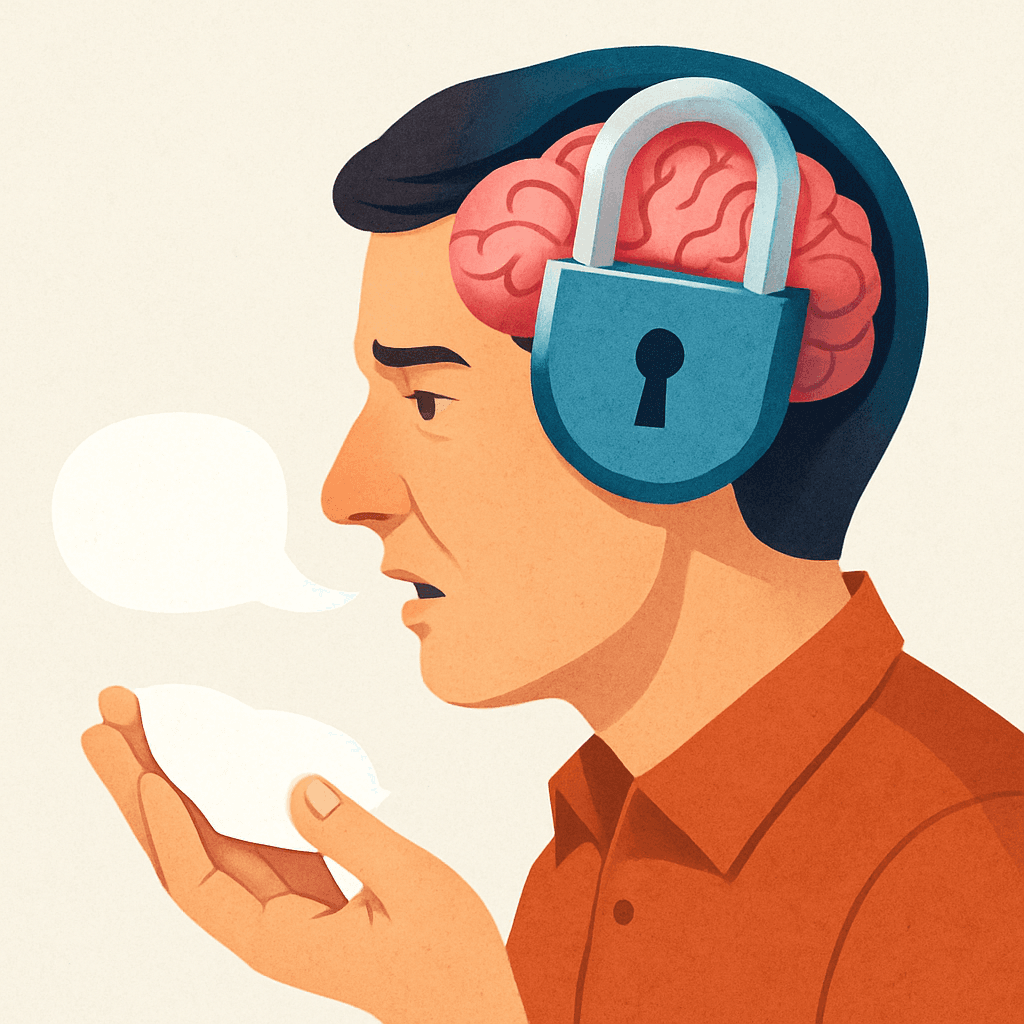
The first time most people hear a recording of their own voice, the reaction is immediate and universal: that does not sound like me. It is too thin, too nasal, too high. It sounds like someone doing a poor impression of you. The instinct is to assume the recording is wrong, the microphone is bad, or the playback is distorted. The recording is almost certainly fine. You are the one who has been getting it wrong.
Two Routes to the Same Destination
When you speak, sound reaches your ears in two ways simultaneously. The first is through the air: sound waves travel out of your mouth, bounce around the room, and enter your ear canal in the normal way. This is how everyone else hears you.
The second route is through your own skull. The vibrations of your vocal cords travel directly through the bones and tissues of your head, bypassing the air entirely, and stimulate your inner ear from the inside. This is called bone conduction, and it carries different frequencies from air conduction. Specifically, bone conduction transmits lower frequencies more efficiently. This means that when you hear yourself speak, you are getting a richer, deeper, more resonant version than the one leaving your mouth.
Why It Feels So Wrong
You have been hearing your private, bone-conducted version for your entire life. It is your reference point. The voice on the recording sounds wrong not because it is distorted, but because it lacks a component you have always assumed was there. It is like seeing a photograph of a room you know well and realising there is no mirror in it, when you have always remembered a mirror, because you were always in the reflection.
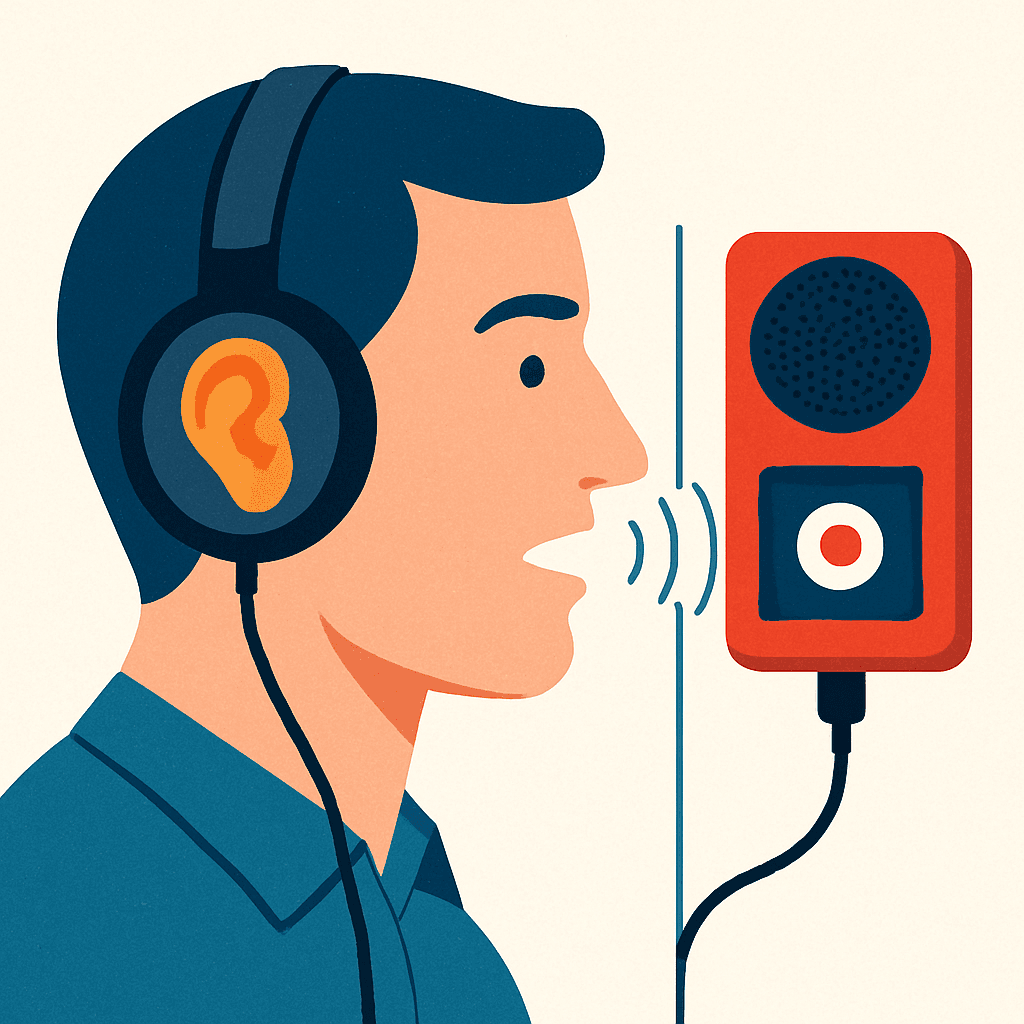
This discrepancy is large enough that trained singers and voice professionals actively work to correct for it. Many singers cover one ear when performing live, not to hear themselves better in the simple sense, but to reduce the bone-conducted signal so they can more accurately hear what the audience is hearing. Recording studios use headphone monitoring for the same reason. Professionals learn to discount the internal version and calibrate to the external one.
The Confidence Problem
The practical consequence of this is that most people's mental model of their own voice is systematically inaccurate. They think they sound richer, fuller, and deeper than they do. When they hear themselves on a recording, they feel exposed, as if something private has been revealed.
This is why people who work with their voice professionally, broadcasters, lawyers, teachers, voice actors, are almost always trained to listen to recordings of themselves. The internal reference is simply not reliable enough. You need the external version to understand what you are actually communicating.
The good news: other people have never heard your bone-conducted voice. They have only ever heard the one on the recording. The voice that sounds wrong to you sounds entirely normal to everyone else, because it is the only version of you they have ever known.
Disagree? Say so.
Genuine pushback is welcome. Personal abuse is not.
Related questions