You know within a few weeks that this relationship is probably not going to work. The signs are clear, the pattern is familiar, and somewhere at the back of your mind you have already diagnosed the problem. You stay anyway. A year later, having accumulated considerable evidence that your initial assessment was correct, you extract yourself and wonder how it happened again.
This is not a mystery about individual weakness or poor judgement. It is the product of several well-understood psychological mechanisms operating simultaneously, and understanding them does not make them stop working, but it does make them less confusing.
Intermittent Reinforcement
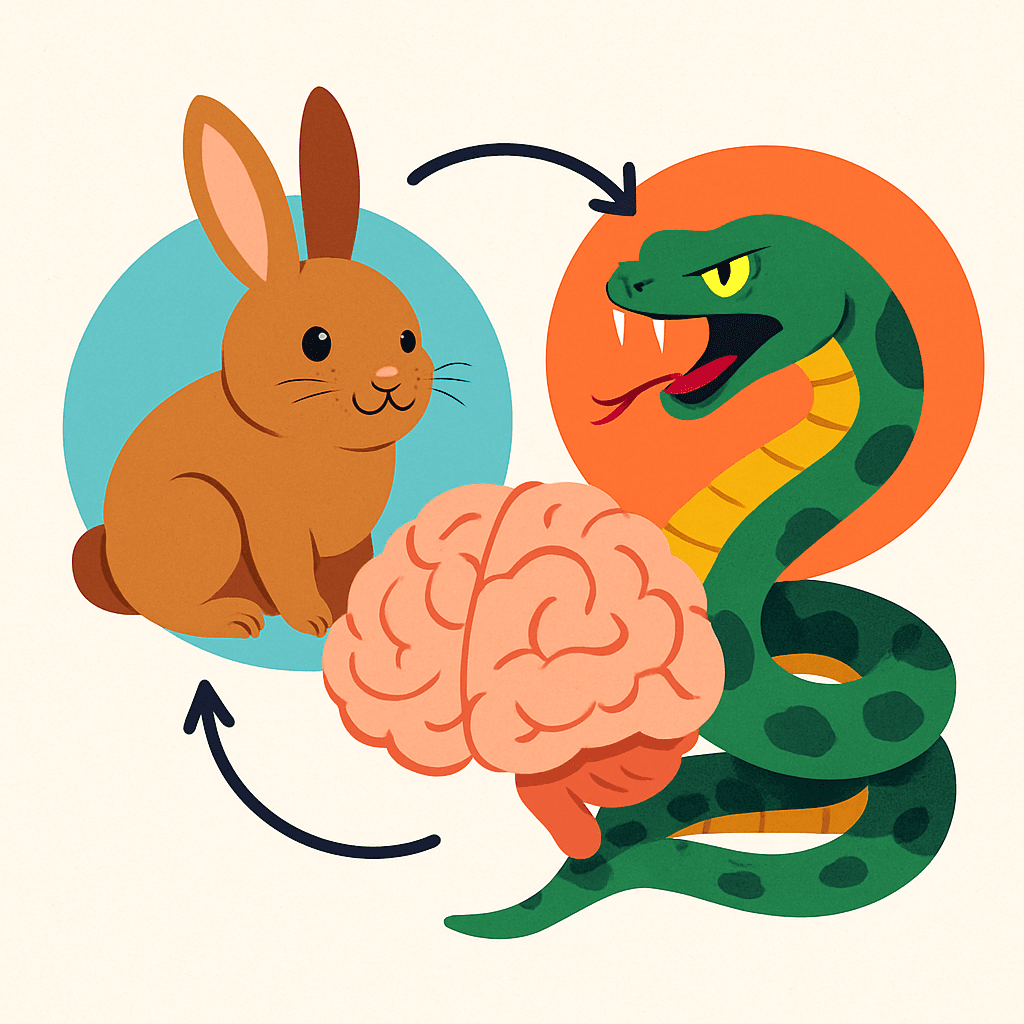
The most powerful mechanism is intermittent reinforcement. In learning theory, behaviours that are rewarded inconsistently, sometimes but not always, are significantly more resistant to extinction than behaviours that are rewarded every time. This is why slot machines are more addictive than vending machines. The vending machine gives you the product every time. The slot machine does not, which means you keep pulling the lever.
A relationship with someone who is inconsistently warm, who withdraws attention and then gives it back, who is difficult and then unexpectedly wonderful, creates exactly this schedule. The intermittent reward of affection and warmth, against a background of uncertainty, produces an intensity of attachment that is easily mistaken for deep feeling. The chase is not incidental. It is the engine.
Arousal Transfer
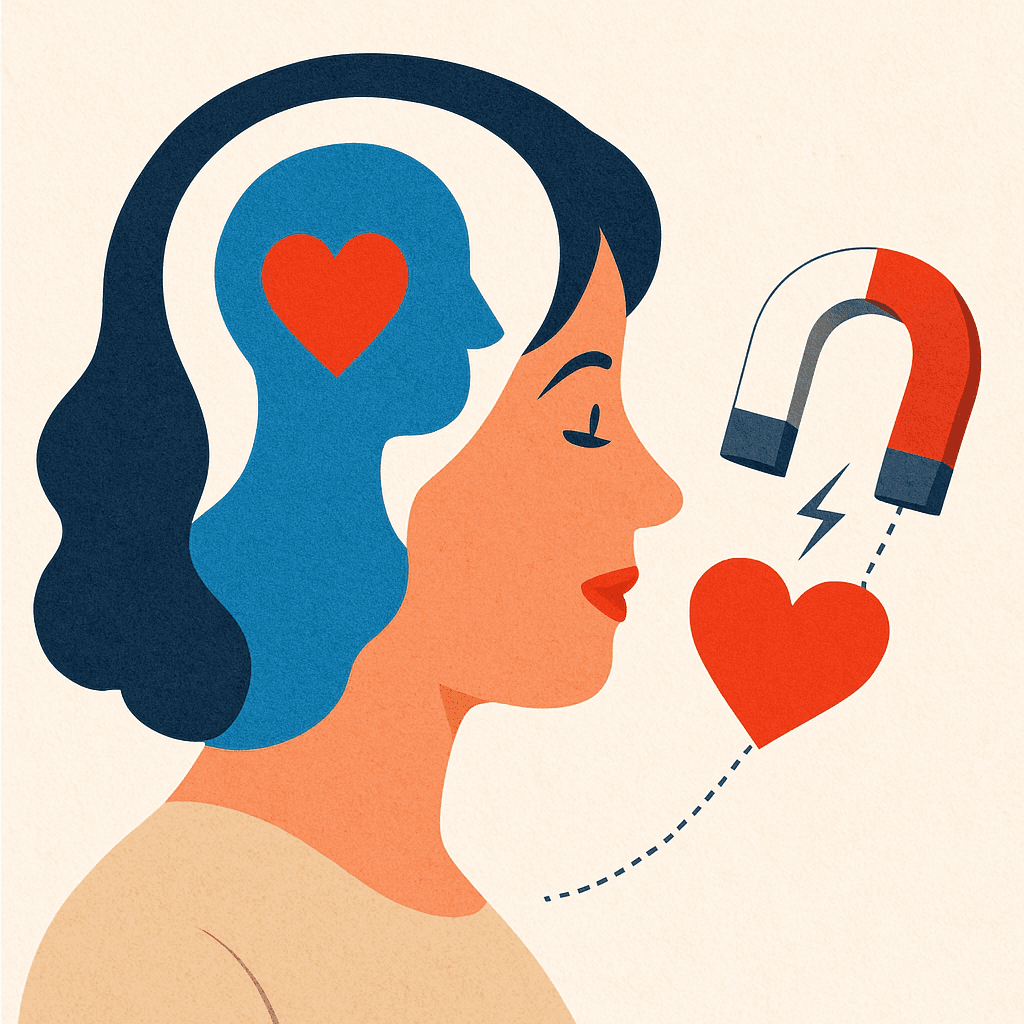
There is a second mechanism that is subtler. Physiological arousal from any source, anxiety, excitement, uncertainty, physical activity, can be misattributed to attraction. A classic experiment by Donald Dutton and Arthur Aron found that men who met a woman on a high, unstable suspension bridge rated her as more attractive than men who met the same woman on a low, stable bridge. The physiological arousal of being on the bridge was transferred to their assessment of the encounter.
Someone who makes you nervous, who is unpredictable, who generates a baseline of mild anxiety, also generates physiological arousal. That arousal is easy to interpret as attraction, particularly in the early stages of a relationship before patterns become clear.
Why Knowing Does Not Help Much
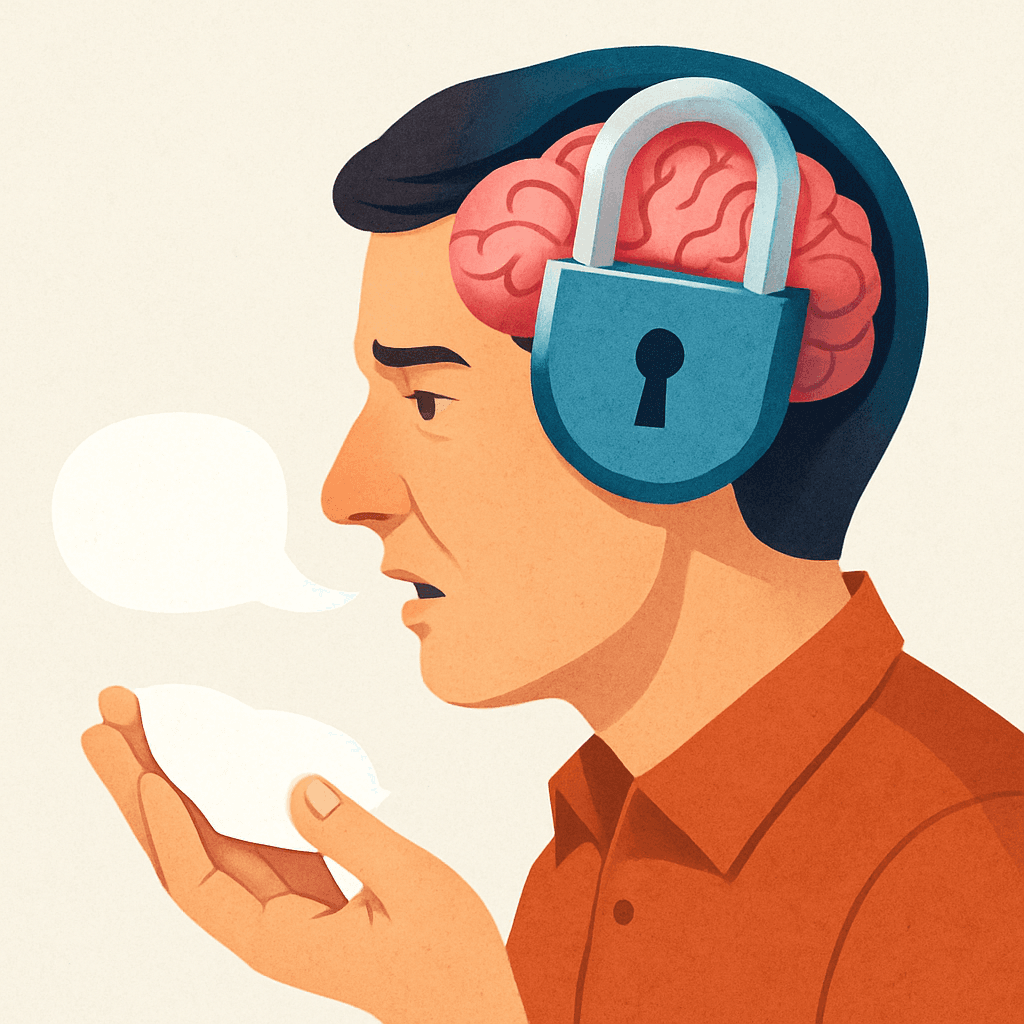
The frustrating thing about these mechanisms is that awareness of them provides limited protection. You can know intellectually that your intense feelings are partly the product of intermittent reinforcement while simultaneously being fully in the grip of those feelings. The cognitive understanding and the emotional experience run on different systems that communicate poorly.
What does help, marginally, is pattern recognition over time. People who have been through the cycle enough times and have examined it carefully do become somewhat better at identifying the early signatures. The difficulty is that the early signatures of a genuinely good relationship and the early signatures of an addictive bad one are sometimes almost identical: intensity, interest, unpredictability, excitement. The difference only becomes clear when you observe what happens when the intensity settles. Healthy relationships become more comfortable. Addictive ones become more anxious.
Falling for the wrong person is not a character flaw. It is, in many cases, your nervous system doing exactly what it learned to do. The problem is that what it learned to do is not always what you would choose to do, if you were choosing freely.
Disagree? Say so.
Genuine pushback is welcome. Personal abuse is not.
Related questions